


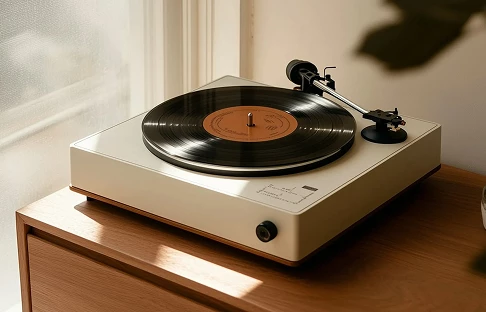


- Creative design ideas and https://the-spinking.co.uk for beautifully styled living spaces
- Understanding Your Personal Style
- The Influence of Color Psychology
- Maximizing Space with Clever Furniture Choices
- Essential Furniture for Small Spaces
- The Art of Layering Textures and Patterns
- Selecting Complementary Patterns
- Lighting: Setting the Mood and Enhancing Functionality
- Accessorizing with Purpose
- Beyond Trends: Building a Timeless Interior
Creative design ideas and https://the-spinking.co.uk for beautifully styled living spaces
https://the-spinking.co.uk. Creating a beautiful and functional living space often feels like a challenging endeavor. Balancing aesthetics with practicality, finding the right pieces that reflect your personality, and staying within budget can be overwhelming. Fortunately, there are resources available to inspire and support you in this exciting journey. One such resource is
The key to successful interior design lies in thoughtful planning and attention to detail. It’s about understanding your lifestyle, identifying your needs, and then translating those into a cohesive and inviting atmosphere. This isn't simply about picking colors and furniture; it's about crafting an environment where you feel comfortable, inspired, and truly at home. We’ll explore various facets of interior design, offering insights and inspiration for transforming your house into a haven.
Understanding Your Personal Style
Before diving into specific design trends, it’s crucial to pinpoint your personal style. This isn’t about rigidly adhering to a label, but rather understanding the elements that resonate with you. Are you drawn to the clean lines and neutral palettes of modern design, or do you prefer the warmth and texture of a more traditional aesthetic? Perhaps you gravitate towards the eclectic mix of vintage and contemporary pieces that define bohemian style. Consider the colors you're naturally drawn to, the textures you find appealing, and the overall mood you want to create in your home. Browsing through interior design magazines, websites like Pinterest, and even visiting furniture stores can provide valuable clues. Don't be afraid to experiment and combine elements from different styles to create a unique look that truly reflects your personality. The objective is to create a space that feels authentically you, and not simply a replication of a staged showroom. This initial self-assessment will guide your choices moving forward, ensuring a harmonious and cohesive overall design.
The Influence of Color Psychology
Color plays a pivotal role in shaping the mood and atmosphere of a room. Understanding the principles of color psychology can help you make informed decisions about your palette. For example, blues and greens are often associated with tranquility and serenity, making them ideal for bedrooms and bathrooms. Reds and oranges, on the other hand, are energizing and stimulating, and may be better suited for living rooms or dining areas. Neutral colors, such as grays, beiges, and whites, provide a versatile backdrop that allows you to introduce pops of color through accessories and artwork. Consider the natural light in your space when choosing colors, as some shades may appear different under varying lighting conditions. A good starting point is to create a mood board with colors that appeal to you, then assess how they interact with each other and with the existing elements in your home. Testing paint samples on your walls before committing to a full makeover can also prevent costly mistakes.
| Color | Psychological Effect | Best Use Cases |
|---|---|---|
| Blue | Calming, serene, trustworthy | Bedrooms, bathrooms, offices |
| Green | Refreshing, natural, harmonious | Living rooms, kitchens, outdoor spaces |
| Red | Energetic, passionate, stimulating | Dining rooms, entryways (used sparingly) |
| Yellow | Optimistic, cheerful, uplifting | Kitchens, playrooms, hallways |
Selecting a color palette informed by psychological principles can greatly enhance the overall impact of your interior design, creating a space that resonates with your desired mood and energy levels. Remember, this isn’t merely about aesthetics; it's about creating a functional and emotionally supportive environment.
Maximizing Space with Clever Furniture Choices
In many homes, space is at a premium. Maximizing the use of available square footage requires careful planning and strategic furniture selection. Opting for multi-functional pieces is a great starting point. For instance, a sofa bed can provide extra sleeping space for guests, while an ottoman with hidden storage can help keep clutter at bay. Wall-mounted shelves and cabinets free up floor space, creating a more open and airy feel. When choosing furniture, consider its scale in relation to the room. Oversized pieces can overwhelm a small space, while dainty furniture may get lost in a large room. Neutral colors and streamlined designs tend to make a space feel larger and more open. Additionally, mirror placement can create the illusion of depth and light, making a room feel more spacious. The goal is to create a functional and comfortable environment without sacrificing style or visual appeal.
Essential Furniture for Small Spaces
Certain furniture pieces are particularly well-suited for small spaces. A drop-leaf table provides a flexible dining surface that can be expanded when needed and folded away when not in use. Nesting tables offer a convenient and space-saving solution for side tables. Storage benches provide seating and hidden storage in one. Floating shelves are a stylish and practical alternative to traditional bookshelves. Consider furniture with tapered legs, as these create a sense of lightness and openness. Transparent materials, such as acrylic or glass, can also help to make a space feel less cramped. When shopping for furniture, measure the available space carefully and create a floor plan to ensure that everything will fit comfortably. Prioritize quality over quantity, investing in pieces that are both functional and durable.
- Invest in multi-functional furniture.
- Utilize vertical space with wall-mounted storage.
- Choose furniture scaled to the room's size.
- Incorporate mirrors to create the illusion of space.
- Opt for neutral colors and streamlined designs.
Smart furniture choices are vital in maximizing space and creating a comfortable environment.
The Art of Layering Textures and Patterns
Adding depth and visual interest to a room involves layering textures and patterns. This is about creating a sense of richness and complexity without overwhelming the space. Begin with a neutral base – walls, floors, and large furniture pieces – and then introduce layers of texture through rugs, cushions, throws, and curtains. Consider the interplay of different materials, such as wool, linen, silk, and velvet. Mixing textures adds tactile appeal and creates a cozy and inviting atmosphere. When it comes to patterns, don't be afraid to experiment, but maintain a sense of balance. A bold patterned rug can be grounded by neutral furniture and accessories. Mixing different scales of patterns – a large floral print with a small geometric design – can add visual interest. Repeating colors and patterns throughout the room creates a cohesive look. The key is to avoid creating a cluttered or chaotic effect. Choose patterns that complement each other and work with the overall style of the room.
Selecting Complementary Patterns
Choosing patterns that complement each other requires a bit of consideration. One effective strategy is to select patterns that share a common color palette. For example, a floral print with shades of blue and green can be paired with a striped fabric that incorporates similar hues. Another approach is to combine geometric patterns with organic shapes. A geometric rug can be balanced by a floral print on cushions. Remember the “one dominant pattern” rule – choose one pattern to be the focal point of the room and then use other patterns in smaller doses. Using a mood board to visualize how different patterns will work together before making a purchase can also be helpful. Don't be afraid to break the rules, but always strive for a harmonious and balanced look. A well-executed combination of textures and patterns can elevate your interior design to a whole new level.
Lighting: Setting the Mood and Enhancing Functionality
Lighting is often underestimated, but it plays a crucial role in both the functionality and the atmosphere of a room. A well-lit space feels more inviting and comfortable, while poorly lit spaces can feel gloomy and unwelcoming. There are three main types of lighting to consider: ambient, task, and accent. Ambient lighting provides overall illumination, such as a ceiling fixture or recessed lights. Task lighting focuses light on specific areas for activities like reading or cooking, such as a desk lamp or under-cabinet lighting. Accent lighting highlights particular features, such as artwork or architectural details, using spotlights or wall sconces. Layering these different types of lighting creates a dynamic and versatile scheme. Consider the color temperature of your light bulbs – warm tones create a cozy and inviting atmosphere, while cool tones are more energizing. Utilizing dimmers allows you to adjust the lighting to suit different moods and activities. Effective lighting not only enhances the aesthetic appeal of a room but also improves its functionality and overall livability.
Accessorizing with Purpose
Accessories are the finishing touches that personalize a space and reflect your individual style. They add personality, color, and texture, transforming a house into a home. However, it’s important to accessorize with purpose. Avoid cluttering surfaces with unnecessary items. Instead, curate a thoughtful collection of pieces that you love and that tell a story. Artwork, books, plants, and decorative objects can all contribute to a cohesive and inviting atmosphere. Consider the scale and proportion of accessories in relation to the room and furniture. A large vase can make a statement on a console table, while smaller objects can be grouped together on a shelf. Don't be afraid to experiment with different arrangements, but always strive for balance and harmony. The goal is to create a space that feels curated and intentional.
- Start with a neutral base and add pops of color.
- Layer textures to create depth and warmth.
- Use lighting to set the mood and enhance functionality.
- Accessorize with purpose and personalize your space.
- Don’t be afraid to experiment and have fun.
Beyond Trends: Building a Timeless Interior
While it's tempting to follow the latest interior design trends, creating a truly timeless interior requires a different approach. Focus on investing in high-quality, classic pieces that will stand the test of time. Prioritize functionality and comfort over fleeting fads. Choose a neutral color palette that provides a versatile backdrop for changing accessories. Incorporate natural materials, such as wood, stone, and linen, which add warmth and texture. Pay attention to details, such as hardware and trim, which can elevate the overall look of a space. A timeless interior is one that feels comfortable, inviting, and reflects your personal style without being overly trendy or dated.
Ultimately, building a beautiful and functional living space is a journey, not a destination. It's about experimenting, learning, and creating an environment that truly reflects your personality and lifestyle. Resources like