




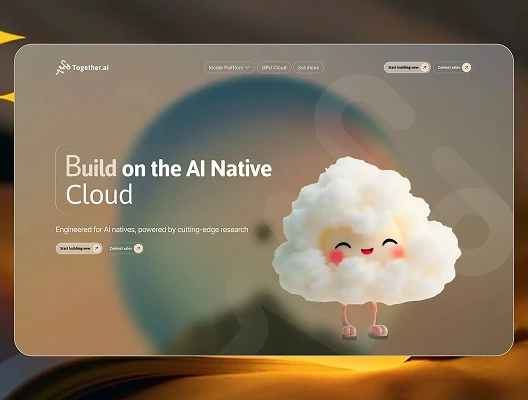
- Creative insights for branding success with https://jaydog.ca and digital storytelling
- Understanding Your Brand Archetype
- The Importance of Brand Voice
- Crafting Compelling Digital Stories
- Leveraging User-Generated Content
- The Role of Visual Storytelling
- Optimizing Visuals for Different Platforms
- Measuring the Impact of Your Digital Storytelling Efforts
- Embracing Emerging Technologies in Storytelling
- Beyond the Campaign: Building a Lasting Brand Legacy
Creative insights for branding success with https://jaydog.ca and digital storytelling
In today's rapidly evolving digital landscape, establishing a strong brand identity is paramount for success. Many businesses are seeking innovative ways to connect with their target audiences, going beyond traditional marketing strategies. This often involves embracing digital storytelling, which allows brands to create compelling narratives that resonate with consumers on a more emotional level. Exploring resources like https://jaydog.ca can offer valuable insights into crafting effective branding strategies and leveraging the power of digital narratives. Understanding how to weave a consistent and engaging story across all platforms is crucial for building lasting customer loyalty.
The power of a well-crafted brand narrative can’t be overstated. Consumers are increasingly skeptical of overt advertising and are actively seeking authenticity. Digital storytelling provides a platform for brands to demonstrate their values, showcase their expertise, and build trust with their audience. It’s about creating a connection that transcends the transactional nature of business and fosters a genuine relationship. Effective utilization of social media, content marketing, and visual communication are key components. The guidance available at sites dedicated to creative branding, such as the one mentioned, can provide a roadmap for navigating these complexities.
Understanding Your Brand Archetype
Before diving into digital storytelling, it’s essential to define your brand’s core identity. This involves identifying your brand archetype – the fundamental personality that underlies your messaging and interactions. Archetypes, such as the Hero, the Outlaw, the Magician, or the Innocent, provide a framework for understanding your brand’s motivations, values, and how it relates to your audience. For example, a brand embracing the “Hero” archetype might focus on overcoming challenges and empowering customers, while one leveraging the “Innocent” archetype might emphasize simplicity, optimism, and purity. This foundational work is essential for ensuring consistency across all marketing efforts. A clear archetype informs every aspect, from visual design to tone of voice.
The Importance of Brand Voice
Closely tied to your brand archetype is your brand voice. This is the distinct personality expressed in all written and verbal communication. It’s not just what you say, but how you say it. A playful and quirky brand voice will resonate with a different audience than a formal and authoritative one. Developing a comprehensive brand voice guide ensures consistency across all content creators and touchpoints. This guide should outline preferred vocabulary, sentence structure, and overall tone. Consider the impression you want to leave on your audience and actively cultivate a voice that embodies those qualities. Regularly reviewing and refining your brand voice is crucial to maintain relevance.
| Archetype | Core Desire | Greatest Fear | Brand Examples |
|---|---|---|---|
| The Hero | To prove one’s worth through courageous acts | Weakness, vulnerability, being seen as a coward | Nike, FedEx |
| The Innocent | To experience paradise | Being punished for doing something wrong | Dove, Coca-Cola |
| The Explorer | To experience a better, more authentic life | Getting trapped, conformity, inner emptiness | Jeep, Red Bull |
| The Rebel | To overturn what isn't working | Powerlessness | Harley-Davidson, Diesel |
Understanding these archetypes and applying them to your brand’s identity can greatly enhance your messaging and resonate more deeply with your target demographic. Resources surrounding creative direction, like those potentially found at a resource like https://jaydog.ca, often delve deeper into these concepts.
Crafting Compelling Digital Stories
Once your brand identity is solid, you can begin crafting compelling digital stories. This goes beyond simply posting content; it's about creating a narrative arc that unfolds across multiple touchpoints. Consider the customer journey – from initial awareness to purchase and beyond – and identify opportunities to tell stories at each stage. Use a variety of formats, including blog posts, videos, social media updates, and email marketing, to reach your audience where they are. Focus on stories that are authentic, relatable, and emotionally engaging. Avoid overly promotional content and instead focus on providing value and building relationships. Customer testimonials, behind-the-scenes glimpses, and employee spotlights can all contribute to a compelling brand story.
Leveraging User-Generated Content
One powerful way to amplify your digital storytelling efforts is to leverage user-generated content (UGC). Encourage your customers to share their own experiences with your brand – whether through photos, videos, or written reviews. UGC builds trust and authenticity, as it comes directly from your customers, not from your marketing team. Platforms like Instagram, TikTok, and Facebook make it easy for customers to share their content and tag your brand. Be sure to ask for permission before repurposing UGC and give credit to the original creator. UGC can be woven into your overall marketing strategy, creating a sense of community and fostering brand loyalty. Running contests or challenges focused on UGC is a good way to begin.
- Encourage customers to share their experiences.
- Run contests and challenges with a branded hashtag.
- Feature UGC on your website and social media channels.
- Always obtain permission before using UGC.
User generated content adds a layer of authenticity that traditional marketing simply can't replicate. It's a vital element in modern digital storytelling strategies.
The Role of Visual Storytelling
In the digital age, visuals reign supreme. People process images much faster than text, so incorporating high-quality visuals into your digital storytelling is crucial. This includes photography, videography, illustrations, and graphic design. Ensure your visuals are consistent with your brand’s aesthetic and reinforce your brand message. Invest in professional photography and videography whenever possible. If you’re creating your own visuals, use tools like Canva or Adobe Creative Suite to ensure a polished and professional look. Think about how you can use visuals to evoke emotion and tell a story without words. A single, powerful image can often convey more than a thousand words. Consider short-form video content like Reels and TikToks for maximum impact.
Optimizing Visuals for Different Platforms
Not all social media platforms are created equal, and each has its own unique visual requirements. Instagram prioritizes high-resolution photos and videos, while Twitter prefers shorter, more concise visuals. Facebook supports a wide range of visual formats, including images, videos, and GIFs. TikTok is all about short-form video content with trending sounds and effects. Before posting a visual, be sure to optimize it for the specific platform. This includes adjusting the image size, aspect ratio, and file format. Using the right visuals for the right platform will maximize engagement and reach. Understanding platform-specific best practices is key to visual content success.
- Resize images for each platform.
- Use appropriate file formats (JPEG, PNG, MP4).
- Consider aspect ratios (square, portrait, landscape).
- Add captions and alt text for accessibility.
Effective visual storytelling doesn't just mean having pretty pictures; it means having strategically crafted visuals that support your overall narrative.
Measuring the Impact of Your Digital Storytelling Efforts
It’s not enough to simply create compelling digital stories; you also need to measure their impact. Track key metrics such as website traffic, engagement rates (likes, comments, shares), lead generation, and conversions. Use analytics tools like Google Analytics and social media insights to gather data. Pay attention to which types of stories resonate most with your audience and adjust your strategy accordingly. A/B testing can help you optimize your content for maximum impact. For example, you could test different headlines, images, or calls to action to see which ones perform best. Data-driven insights allow you to refine your storytelling approach and continually improve your results. Resources for marketing analytics can be found at various online publications and industry blogs.
Analyzing metrics provides concrete evidence of what’s working and what isn’t, allowing you to make informed decisions about your content strategy. This iterative approach is essential for maximizing the return on investment (ROI) of your digital storytelling efforts. Remember, the goal isn’t just to create content; it’s to achieve specific business objectives.
Embracing Emerging Technologies in Storytelling
The digital landscape is constantly evolving, and new technologies are emerging that offer exciting opportunities for storytelling. Artificial intelligence (AI) is being used to create personalized content experiences, while augmented reality (AR) and virtual reality (VR) are enabling immersive brand activations. Chatbots can provide interactive storytelling experiences, and voice assistants can deliver personalized brand narratives. Exploring these emerging technologies can help you stay ahead of the curve and create truly innovative storytelling experiences. Consider how you can use these tools to enhance your brand’s narrative and connect with your audience in new and engaging ways. Staying informed about technological advancements is crucial for maintaining a competitive edge. Platforms like https://jaydog.ca might offer perspectives on utilizing these technologies.
Experimentation is key. Don’t be afraid to try new things and see what resonates with your audience. The most successful brands are those that embrace innovation and are willing to push the boundaries of storytelling.
Beyond the Campaign: Building a Lasting Brand Legacy
Successful digital storytelling isn’t just about short-term campaigns; it's about building a lasting brand legacy. It’s about creating a consistent narrative that resonates with your audience over time and establishes your brand as a trusted authority in your industry. This requires a long-term commitment to storytelling and a willingness to adapt to changing audience needs and preferences. Think of your brand story as an evolving narrative, one that grows and evolves alongside your business. Consider how your brand can contribute to social causes or support meaningful initiatives, further solidifying your values and connecting with your audience on a deeper level. A brand with purpose is more likely to attract loyal customers and build a strong reputation.
A particularly effective approach involves focusing on the impact your brand has – not just what you sell, but how it improves the lives of your customers or contributes to a better world. A small business spotlighting its local community involvement, for example, can effectively showcase its values and build strong bonds with its customer base. This shift towards purpose-driven branding is gaining momentum, and those who embrace it will likely see the greatest long-term success.